


 Hôtel Littéraire Gustave Flaubert, BW Signature Collection by Best Western
Norman flavours to the rhythm of Flaubert
Normandy is, of course, Gustave Flaubert and his rich, prolific body of work, but it is also a region renowned for its unforgettable culinary specialities. With its lively markets, generous recipes and quirky addresses, the region offers an unmissable gourmet experience.
For curious travellers, lovers of Norman gastronomy, or passionate readers wishing to follow in Flaubert’s footsteps in Normandy, this guide invites you to discover the flavours of Normandy around Rouen.
Norman Markets: Immersing Yourself in the Culinary Soul of the Region
To savour traditional Norman cuisine, nothing compares to a local market or a farmers’ market.
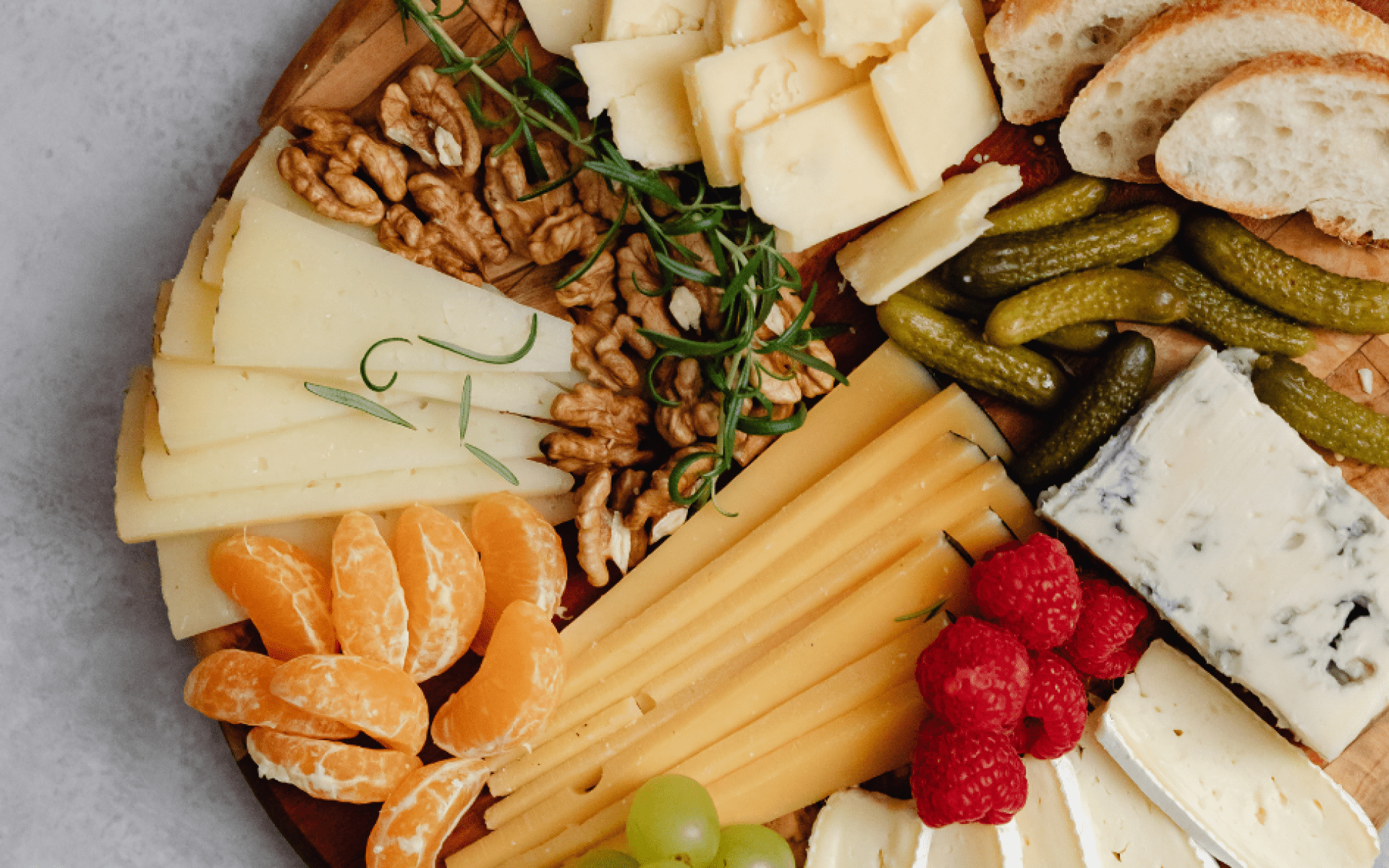
In Rouen and the surrounding villages, Norman markets are renowned for the quality of their local produce: AOP butter and cream (emblems of the region), fresh fish and shellfish from the coast, Norman cheeses such as Camembert, Livarot and Pont-l’Évêque, farmhouse ciders and apple juices, traditional country breads, and apples and pears from local orchards.
These markets offer an authentic atmosphere, ideal for understanding the sensory landscapes that inspired Flaubert’s Normandy.
Typical Norman Dishes You Must Try
The region abounds in essential Norman dishes that reflect the generosity of its terroir. Poulet Vallée d’Auge, a star of Norman gastronomy, is cooked with apples, cream and cider. Sole à la normande, a delicious classic, is served with a rich, creamy sauce. Baked Camembert, enjoyed in traditional Norman restaurants, is simple, comforting and utterly perfect. And the Norman apple tart remains a favourite dessert for travellers seeking authentic regional flavours.
Unusual Restaurants in Rouen: Addresses You Shouldn’t Miss
In Rouen, lovers of distinctive dining experiences will discover a rich and varied culinary scene, where tradition and creativity come together with elegance. Around Place du Vieux-Marché, emblematic bistros such as Gill Côté Bistro and Le Bistrot d’Arthur uphold the spirit of classic Norman dining, offering generous, honest cuisine deeply rooted in local produce. More convivial and lively, Marcel Apéro Bistro invites guests to share independent winemakers’ bottles and seasonal dishes in a warm atmosphere, while Le P’tit Zinc remains a favourite spot for lunch on a terrace steeped in the city’s history.
This sense of tradition continues in historic brasseries and renowned institutions, such as Brasserie Paul, at the foot of the cathedral, and La Couronne, the oldest inn in France, where heritage and gastronomy meet. For a more refined experience, restaurants like Cancan, D’eux-mêmes, l'Odas and the iconic Restaurant Gill showcase precise, elegant cuisine that celebrates regional ingredients. Lastly, La Table de Flore stands out for its responsible, vegetarian approach, demonstrating that Rouen’s gastronomy also knows how to reinvent itself with both awareness and modernity.
In Flaubert’s Footsteps: Where Literature and Gastronomy Meet
Discovering Norman specialities also means exploring the region as Flaubert himself once saw it. In Rouen, close to the Hôtel Littéraire Gustave Flaubert, you can wander through markets that echo scenes from Madame Bovary, sample traditional dishes mentioned in his correspondence, and explore the gastronomic landscapes he so vividly evoked in his work.
Flaubert was a true bon vivant, and his writing bears witness to his pleasure in good food. His works reflect the cuisine he had known since childhood, particularly the culinary traditions of Normandy.
One of the most exquisite passages is the wedding feast of Emma Bovary, a remarkable scene in which the description of dishes becomes a genuine psychological exploration:
"The table was laid under the cart-shed. On it were four sirloins, six chicken fricassees, stewed veal, three legs of mutton, and in the middle a fine roast suckling pig, flanked by four chitterlings with sorrel. At the corners were decanters of brandy. Sweet bottled-cider frothed round the corks, and all the glasses had been filled to the brim with wine beforehand."
Madame Bovary (1857), Part One, Chapter IV.
A real journey where gastronomy, terroir and literature meet.
After savouring Norman flavours in the spirit of Flaubert, another address from the Société des Hôtels Littéraires is well worth a visit: the Hôtel Littéraire Marcel Aymé in Paris. Located in the heart of Montmartre, it pays tribute to the author of Le Passe-Muraille through interiors inspired by his characters, a dedicated library, and a lively neighbourhood where cafés, steep cobbled streets and a bohemian spirit meet. It is a further invitation to experience literature in a different way—through atmosphere, setting and a sense of escape.
Written by Léa Geoffray
December 4, 2025